


Climbing Vinson Massif, Antarctica
Updated: Apr 5
My Fifth of the Seven Summits & the Final Continent on Earth
There are adventures you dream about… and then there are adventures you plan for years, quietly sitting in the back of your mind, waiting for the moment when everything finally aligns. Climbing Vinson Massif, the highest mountain in Antarctica and one of the Seven Summits, was that adventure for me.
This climb marked my fifth Seven Summit and my final continent, a milestone years in the making. Through patience, logistics, weather windows, and a willingness to step into the most remote environment on Earth, Vinson delivered one of the most surreal and rewarding experiences of my life.

From flying on the most expensive economy flight in the world to standing on the roof of Antarctica at nearly -50°F, this was truly the adventure of a lifetime.
Why Vinson Massif Is Unlike Any Other Mountain on Earth
Antarctica feels otherworldly. There are no cities, no permanent residents, no familiar landmarks, only ice, sky, and silence. Vinson Massif rises from the Ellsworth Mountains like a frozen fortress, isolated by thousands of miles of ocean and ice.
While Vinson Massif is neither technically difficult nor particularly long, the climb is still demanding due to its extreme cold, isolation, and complex logistics. Every meal and each piece of gear must be planned meticulously because there is no backup once you step onto the mountain.
Vinson Massif FAQs: Everything You Need to Know Before Climbing Antarctica
Where Is Vinson Massif?
Vinson Massif is located in the Ellsworth Mountains of Antarctica, approximately 750 miles from the South Pole.
Height
16,050 ft / 4,892 m
Highest peak in Antarctica
Best Time to Climb Vinson Massif
Late November to early January
This is Antarctica’s short summer, with 24-hour daylight and “warmer” temperatures (still brutally cold)
How Long Does a Vinson Expedition Take?
Most expeditions last 18–22 days including the international travel, weather delays, summit attempts, and contingency days
Cost of Climbing Vinson Massif
Expeditions typically range from $45,000–$65,000 USD
Additional costs include:
Flights to Chile
Antarctica flight insurance
Gear (extreme cold clothing is essential)
Guide tips (8–12% recommended)
Yes, it is very expensive but it is one of the most logistically complex expeditions on Earth.
Technical Difficulty
Vinson is considered non-technical
No advanced ice climbing required
Skills needed:
Crampon use
Glacier travel
Fixed-line ascension (jumars)
Cold-weather expedition experience
Training for Vinson
Strong aerobic base
Ability to haul heavy sleds for hours
Comfort moving slowly and living in extreme cold
Interesting Facts About Vinson Massif
First climbed in 1966
Named after U.S. Congressman Carl Vinson
Temperatures can easily drop below -60°F (-51°C)
There are no permanent rescue services
Everything—human waste included—must be flown out
Expedition Partner: Elite Exped & World-Class Leadership
I was fortunate enough to do this climb with Elite Exped, led by Nimsdai Purja and Mingma David Sherpa—a dream team if there ever was one! From flawless logistics to elite decision-making, the professionalism, humor, and experience of the guides made an extreme environment feel both safe and ensured we all walked away more knowledgeable about mountaineering.

Vinson Massif Daily Expedition Breakdown
Below is a realistic look at what a Vinson Massif expedition actually feels like day by day.
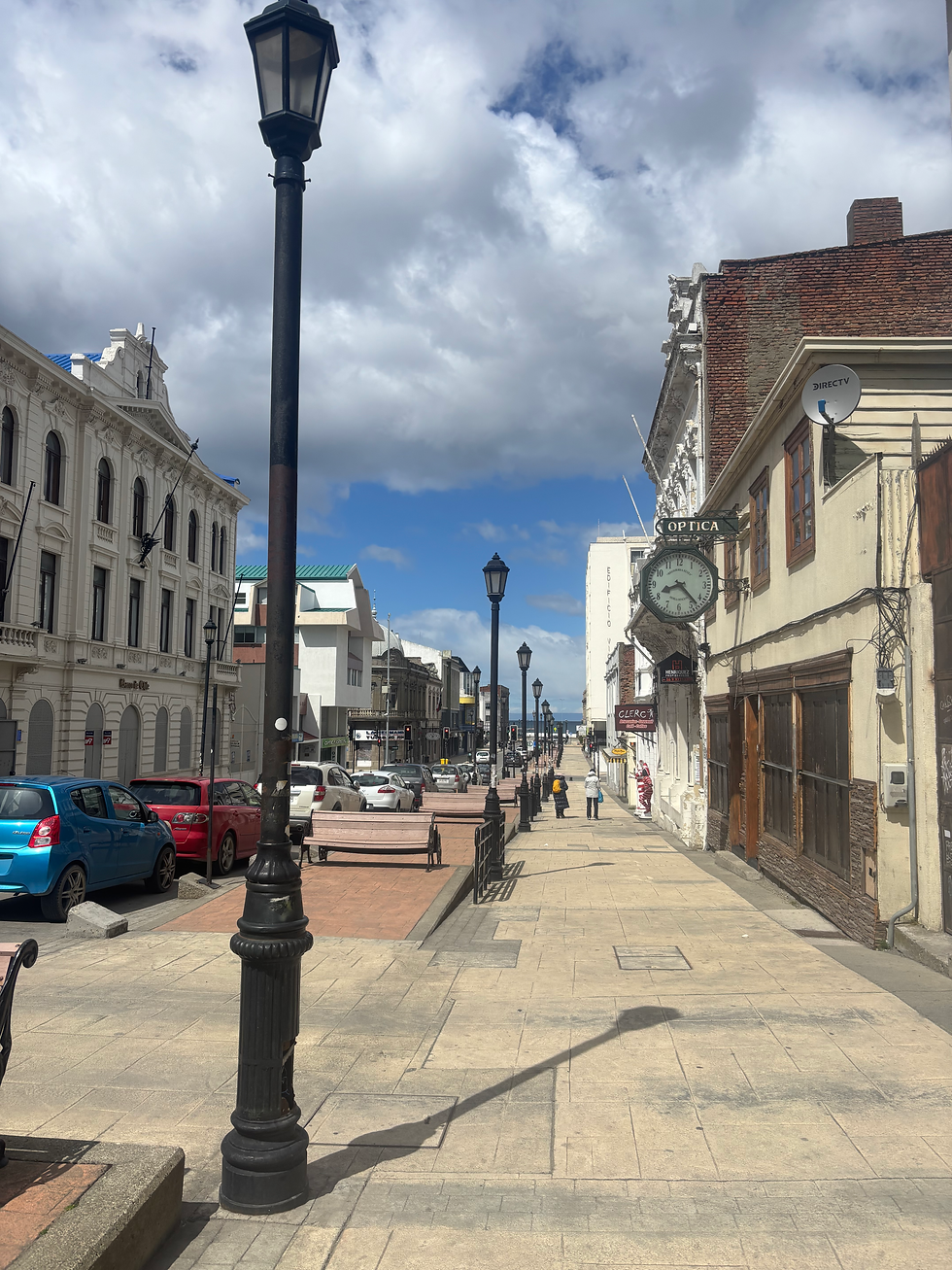
Day 1: Arrival into Punta Arenas
We arrived in Punta Arenas, Chile, the southernmost launch point to Antarctica, where the reality of the expedition began to settle in. After meeting the Elite Exped team and fellow climbers, we jumped straight into the unglamorous but essential work—snack sorting and gear checks.

Antarctica is unforgiving. Every ounce matters, every item has a purpose, and redundancy is intentional. We laid out all gear for inspection, triple-checking layers, boots, mitts, and expedition systems. The excitement was buzzing with the energy of knowing we were about to disappear to the bottom of the world.
Day 2: Gear Prep & Team Dinner
The morning was dedicated to final food and gear sorting—and a major highlight: receiving brand-new Elite Exped down jackets and pants as a gift from our guides. These became everyone's de-facto apparel for most of the climb as they are the highest quality, making it possible to stay warm and cozy even in the most brutal cold. Nims walked us through tent systems and best practices for Antarctic camps, followed by hands-on practice setting them up. The afternoon was spent fine-tuning personal kits and last-minute snack additions (because there is no such thing as too many snacks on a climb).

That evening, we gathered for an amazing team dinner in old town Punta Arenas, sharing stories, backgrounds, and expectations of what was ahead.
Day 3: ALE Headquarters & the Most Expensive Economy Flight in the World
We packed individually in the morning before heading to Antarctic Logistics & Expeditions (ALE) headquarters. Bags were weighed, tagged, and officially checked—this is where Antarctica starts to feel very real.

We each received our souvenir Antarctica plane ticket, a surreal reminder that we were about to board what is often referred to as the most expensive economy flight in the world—around $20,000 USD.
In the afternoon, ALE hosted a pre-brief complete with an unexpectedly elegant spread of snacks and drinks. We went over Antarctic rules, environmental protocols, and what to expect once on the ice.

Day 4: Flying to Antarctica & Arrival at Vinson Base Camp
We met early at the hotel and were transported to Punta Arenas airport, where we officially checked in for Antarctica. After reclaiming our bags, we boarded buses and were driven to a separate airstrip housing two planes:
A 747 for passengers
A massive cargo plane for all expedition equipment

The flight itself felt strangely normal including movies, snacks, and WiFi that almost worked. Then the view changed. Endless white. No landmarks. No scale.

We landed on an incredible blue ice runway, transferred via giant trucks and vans to Union Glacier Camp, received a quick orientation, and re-cleaned our boots to maintain Antarctica’s strict biosecurity standards.

From Union Glacier, we boarded smaller aircraft for the flight to Vinson Base Camp. Once there, we immediately began digging platforms, pitching tents, and setting up camp. We finally crawled into sleeping bags around 1 a.m., though with the sun never setting, time felt completely irrelevant.

Day 5: Thanksgiving at Vinson Base Camp
We slept in and spent the day organizing food and gear for the higher camps as other teams arrived—the first groups of the season, which felt incredibly special.

It was Thanksgiving, and we celebrated with burgers cooked inside our cozy kitchen tent. Sitting on the Antarctic ice, sharing a holiday meal thousands of miles from home, was one of my most memorable ways to spend the holiday.

Day 6: First Load Carry & Cache
After breakfast, we lined up sleds and gear—a process that always takes longer than expected. We headed out to cache supplies about halfway between Base Camp and Low Camp.

This day was all about patience and learning rhythm. Sled travel is deceptively tiring, especially for those new to it, so we kept a slow, steady pace with plenty of breaks.
Distance: ~3 km round trip
Elevation Gain: ~300 m
The return felt easier and was much quicker as everyone started to get into the hang of it.
Day 7: Base Camp to Low Camp
Packing took hours, but once we stepped off, everything clicked. We split into two teams, and Mingma David led ours—quickly earning us the nickname “Team Ferrari.”

We cruised to the cache in about half the time of the previous day, repacked, and continued on to Low Camp, completing the entire move efficiently and confidently. After camp setup, Nims led rope training, covering knots and proper rope management—skills we’d rely on higher up.
Distance: ~6 km
Elevation Gain: ~600 m

Day 8: Low Camp to High Camp
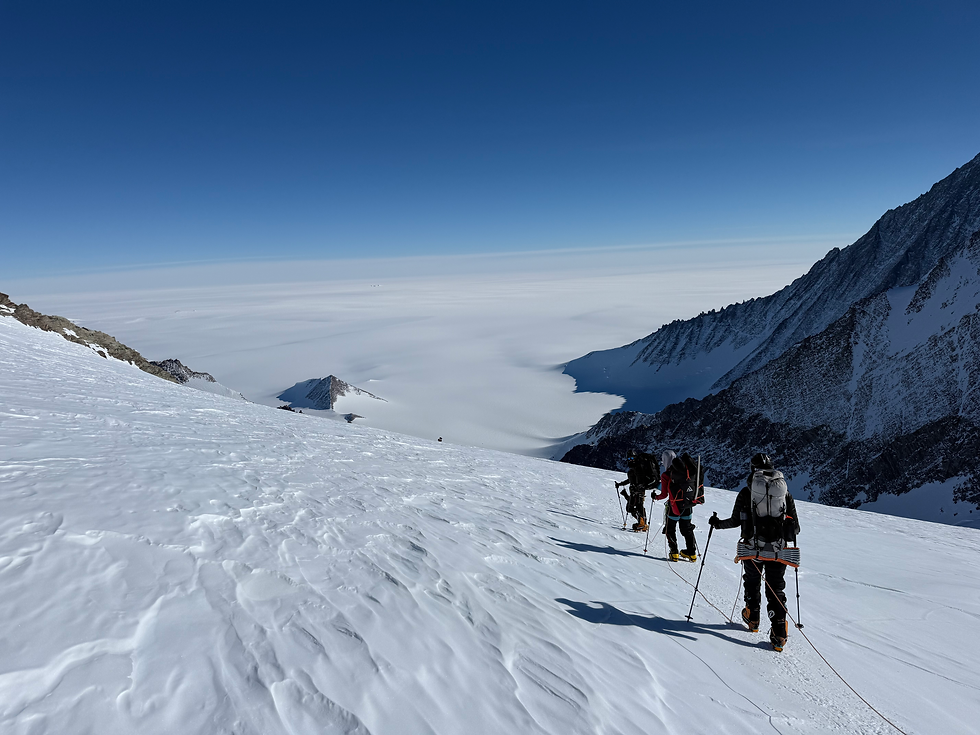
We kept the same teams and moved upward toward High Camp. The day started with a gentle slope before transitioning into the steepest and most technical section of the climb.

We ascended fixed ropes using jumars and crossed an exposed ridgeline that delivered both the coldest temperatures and the best views of the entire expedition so far. We paused briefly at the top for snacks but didn’t linger long as the temperature was dropping fast.

High Camp appeared suddenly, hidden just beyond the final rise. We set up tents immediately and had water ready by the time the second team arrived.
Distance: ~5 km
Elevation Gain: ~900 m
Summit plans were confirmed. The next day was the big one.
Day 9: Summit Day
Summit day began with some… tent-mate tension. We’ll call her “Marie.” She was not thrilled when my sleeping bag touched hers overnight and expressed this by kicking it until I finally climbed out. Thankfully, we weren’t roped together for the climb and the highlight of the trip was only a few hours climb away!

We stepped off around noon. The initial terrain was gentle and almost meditative. After several hours, the slope steepened and we passed the first successful team descending—an encouraging sign. Near the summit, there were no fixed lines, which surprised me. We carefully moved along the ridge until we finally reached the true summit of Vinson Massif.

The conditions were flawless with bluebird skies and temperatures only about -43°F to -48°F wind chill. Endless frozen peaks stretching into the horizon with no visual reference points, most certainly it was the most remote place I have ever stood.

We descended slowly and deliberately, arriving back at High Camp just before midnight, where hot soup tasted like pure joy.

Distance: ~7 km
Elevation Gain: ~700 m
Day 10: All the Way Down to Base Camp
We cleaned High Camp and cached supplies for future teams before beginning our long descent. Team compositions shifted slightly to keep pace balanced, and it made for a long, focused day.

Once off the ropes, we continued through Low Camp and all the way to Base Camp, carefully managing heavily weighted sleds. Clouds rolled into the valley, creating dramatic, moody scenery we didn’t yet realize would keep us grounded for days.

As we crossed the runway back into camp, we were greeted with champagne and a Vinson sculpture carved from snow. A 100% summit success from the team deserved celebrating!

Days 11–14: Weather Delays & Life at Vinson Base Camp
The next few days, Antarctica reminded us who’s in charge. Persistent cloud cover grounded planes, keeping us at Base Camp longer than expected. It gave plenty of time for extra rest and long conversations with the team.

On the night of Day 14, we finally got word that the plane was coming. We arrived back at Union Glacier Camp to hot food and plenty of drinks the staff had saved for us. Celebrations quickly escalated… perhaps too enthusiastically. The next morning, there was a politely worded note about camp quiet hours.

Day 15: Union Glacier – Antarctic Luxury (Yes, Really)
Union Glacier deserves its own moment—it’s unlike any base camp on Earth:
Comfortable guest tents
A massive heated dining tent (the Fram) stocked with incredible food
Surprisingly well-stocked options of beer and wine
A small library and lecture hall
A mini shop for souvenirs
90-second hot showers that were glorious after the week of baby wipes
We borrowed fat-tire bikes and rode the 10 km loop around the runway, attended a lecture (about jellyfish of all topics), relaxed with books, and enjoyed each evening with more than a few beers.

Day 16: Leaving Antarctica
With weather finally holding, we checked out, boarded the plane, and flew back to Punta Arenas.
Leaving Antarctica felt bittersweet knowing that it had been an incredible adventure and we were so lucky with the conditions, yet the once in a lifetime experience had now come to an end.

Planning Your Own Vinson Massif Expedition?
If you’re considering climbing Vinson or visiting Antarctica and want honest insights on training, logistics, or choosing the right expedition company, feel free to reach out. The journey is hard—but it’s worth every step!
Your point about Vinson being the final continent and the quiet years of planning really hit home—I can only imagine how surreal that first flight onto the ice must have felt after all the logistics. It’s the kind of milestone that makes all the waiting worthwhile. By the way, I keep a free startup tool value calculator I like to share. https://growth-navigate.com/
The image of standing on the roof of Antarctica at nearly -50°F while dealing with meticulous logistics is something I keep thinking about. I had no idea the economy flight was that expensive, and it makes the whole expedition feel even more hard-won. After reading about all that preparation, I’ll take my cozy couch and ブロックブラスト over -50°F any day.
This post about the Kobe 2024 Para Athletics World Championships is really inspiring. It is great to see athletes from around the world competing at such a high level. I remember working on a sports project where I had to research similar events and wanted to make sure my writing was clear. I searched for auto insurance denton tx near me to help me structure my work. Good sports coverage and good support help you appreciate the dedication of para athletes.
hii. thanks for shating.
ISO 27017 Certification in Bahrain
Reading about this Antarctica climb was fascinating because it shows true adventure and endurance. While preparing fieldwork reports at university, I relied on Civil Engineering Assignment helpers UK when technical documentation became difficult. That experience helped me complete tasks confidently. It reminds me that preparation and guidance are essential whether climbing mountains or finishing studies. hat mix of challenge and support made me see how pushing myself teaches resilience. nice post